
A desperate deadly trap.

Welcome to Stirling Archaeology’s regular piece of Friday research, the second of two weekly blogs compiled by Dr Murray Cook. The Monday newsletter summarises of all the interesting history and archaeological things happening round Stirling and the Friday one presents research. Both are generally free but if you like what I do and want to help please consider becoming a paid subscriber. Regardless we hope you enjoy the blogs and perhaps you’ll come along to a dig sometime!
The following is an extract of a wee book I’m working on that maps and explore the military heritage of Stirling which will hopefully be available for the Summer.
The Home Guard Round Stirling.
This is not the place to debate the history of the Home Guard and its evolution from Local Defence Volunteers or the complex issues raised by arming and training civilians who then might become enemy combatants if the German invasion succeeded. The Home Guard combined multiple aims, morale boosting, protection of industrial assets and ultimately the waging of a last ditch mixture of sabotage, collaborator assassination and guerrilla war in the event on a German invasion from secret bases.
Metal detection by Murray across the Abbey Craig and Gowan Hill (NS 79192 94271) has recovered spent rifle shells from the early 1940s, presumably used in training by the Home Guard, although perhaps simply infrantry training. Firmer evidence comes from northern and western slopes of Abbey Craig where there are a series of small stone shelters used as training positions (NS 81005 95635).
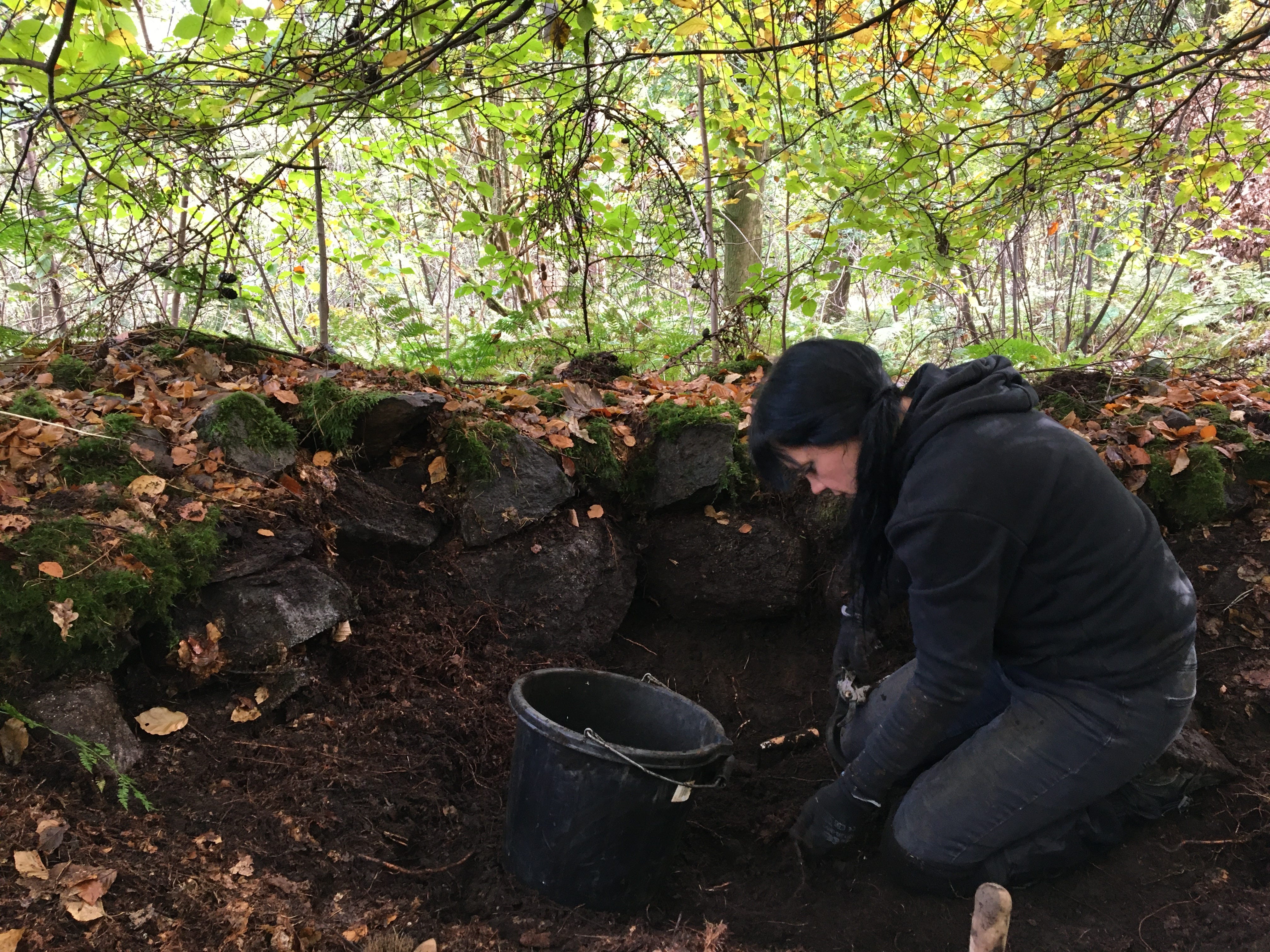
Sue Mackay digging one of the training positions on Abbey Craig.
A possible example of the Home Guard’s proposed guerrilla war is on the road from Bridge of Allan, which in places is very narrow and gorge like. Here there are two sets of iron rail tracks cemented into the road (NS 80502 97106) which was spotted by Gordon Wilkie. These were presumably designed to block the road by placing iron bars or trees or logs in order to hamper enemy troop movements. But might we imagine an even more desperate tactic were a section of a column of German troops was trapped between the two positions and then attacked from above?
It’s not clear when this was built but there was a wave of road blocks constructed in early 1940 by local Home Guards. However, by December the situation changed completely and Scottish Command Operation Instruction No 2 ordered that no more roadblocks were to be built as they might hamper any British counter attack.
If you liked this perhaps you might like one of my other books…you can get them all of Amazon and across Stirling but I make more money if you buy them off me directly and will sign them. Email me if you fancy one with free postage in the UK! m.j.cookstirling35@gmail.com
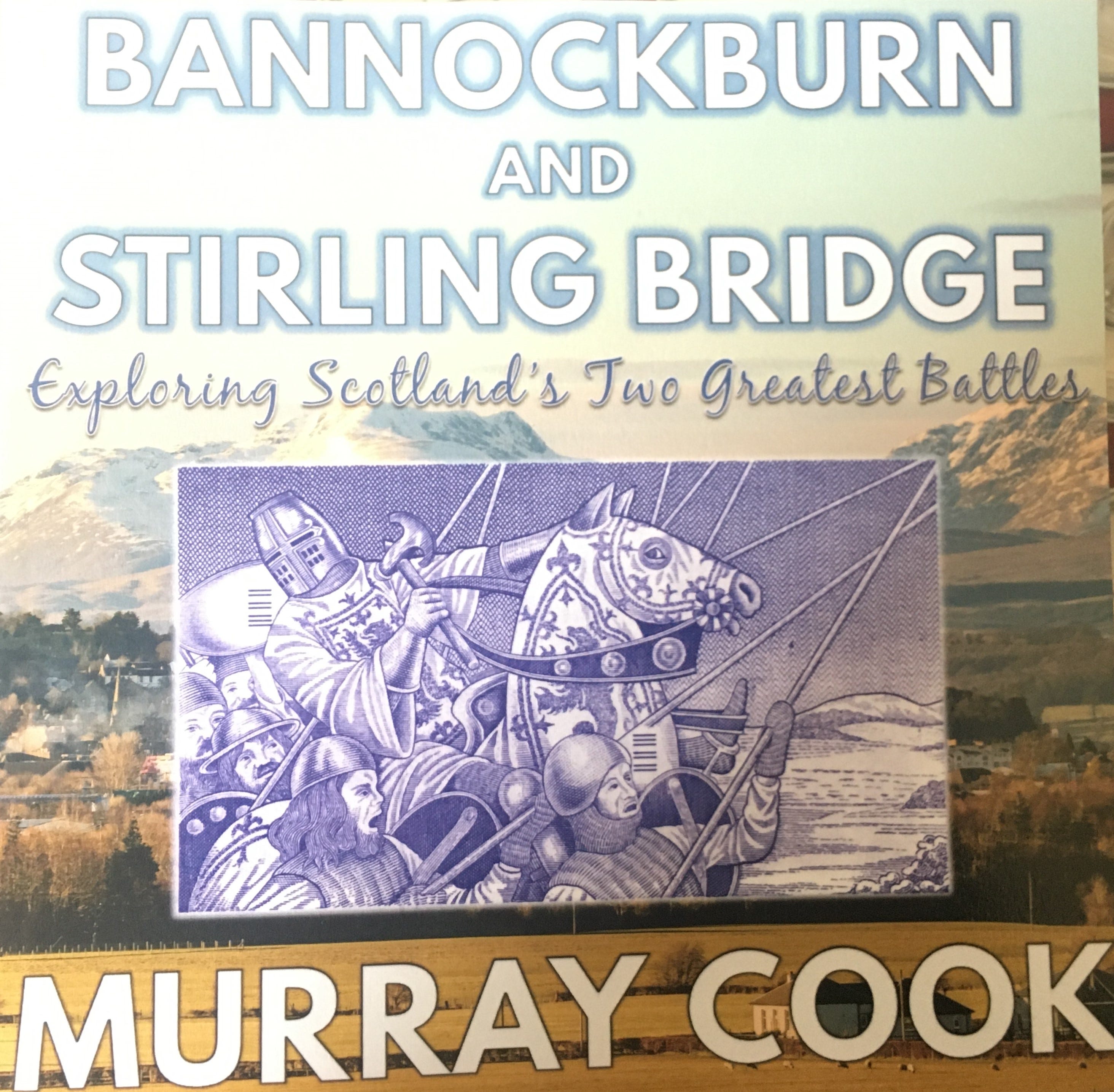
This follows Scotland greatest battles on the ground where they happened and explore the myths and legends that surround them £14.99.
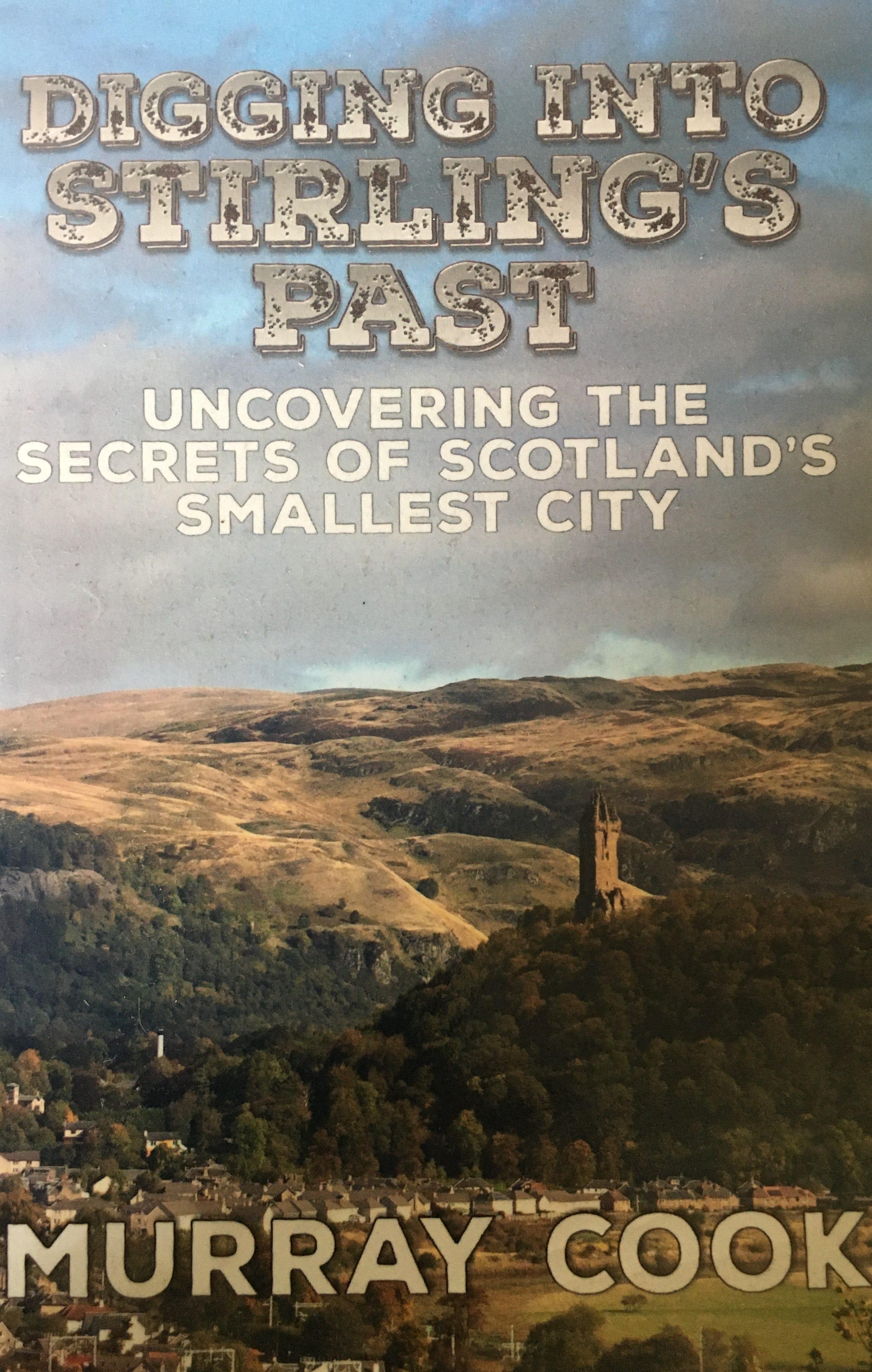
A guide to Stirling and Stirlingshire’s archaeological remains £11.99.
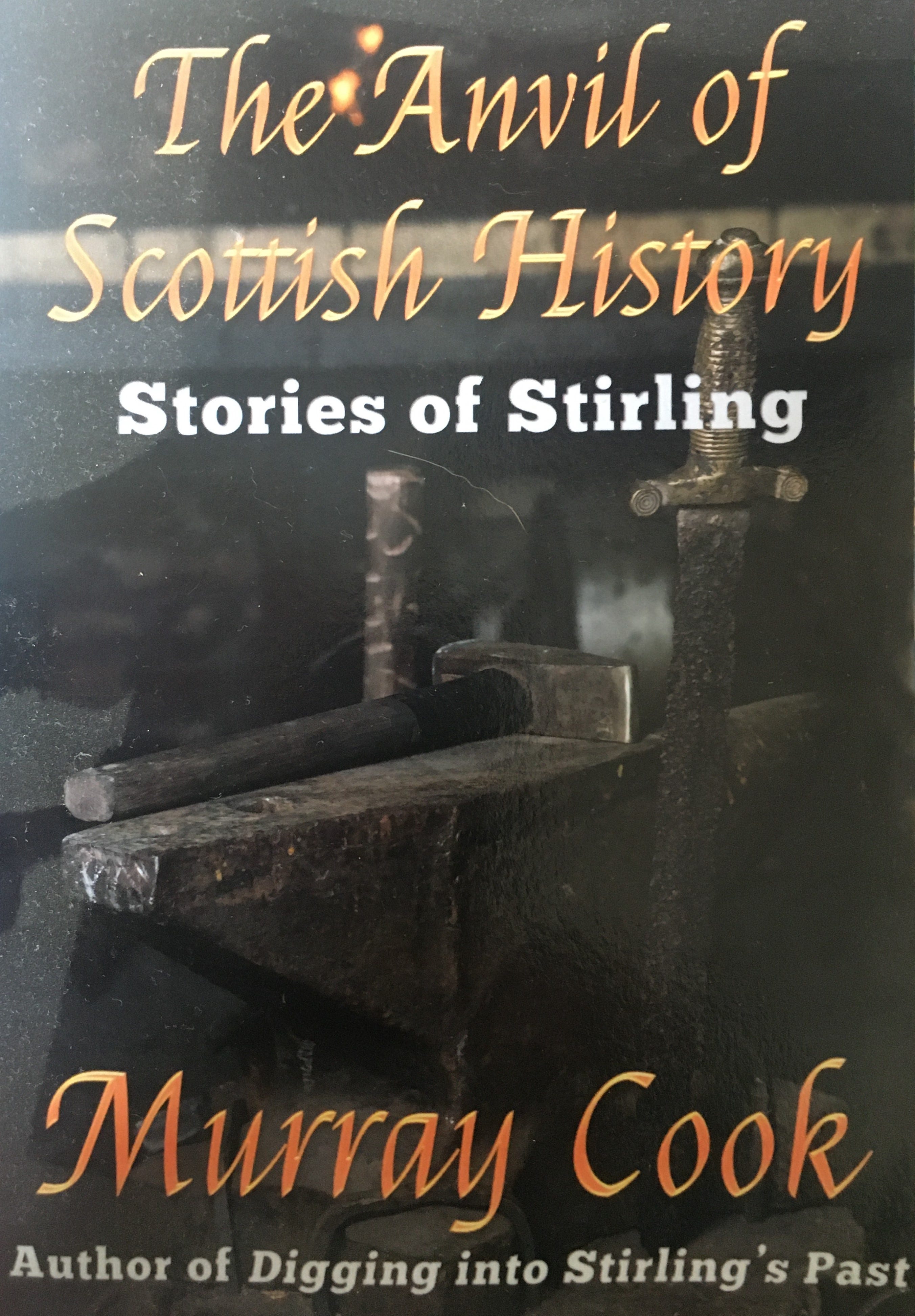
A history of Scotland from a Stirling perspective £10.99.
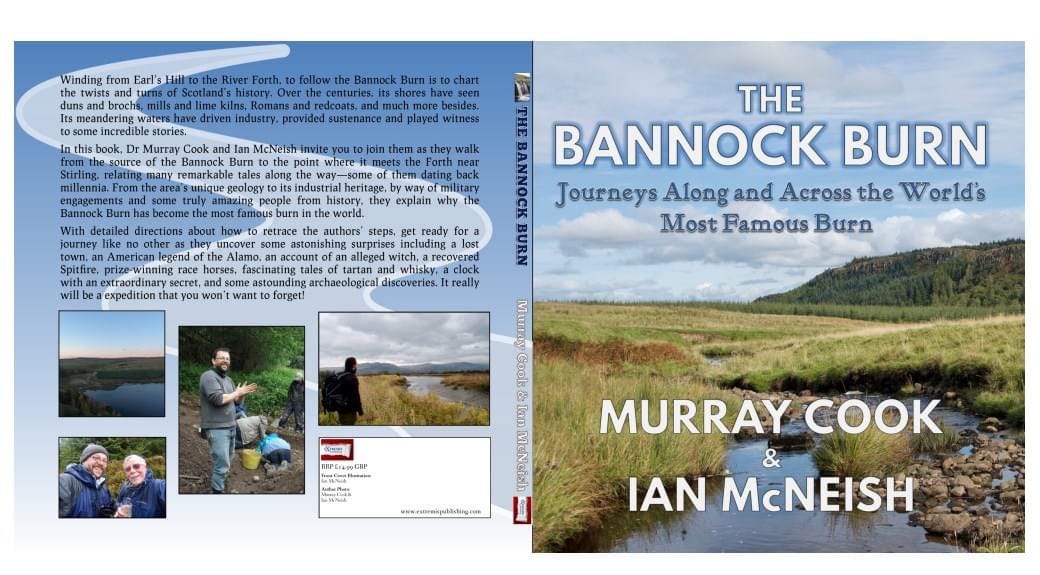
A guide to the most famous burn in the world £14.99.

The first account of Scotland’s Christmas and earlier mid-winter festivals, £16.99.